
Can a CPS Founded Finding Cost You Your Career? What Washington Professionals Need to Know
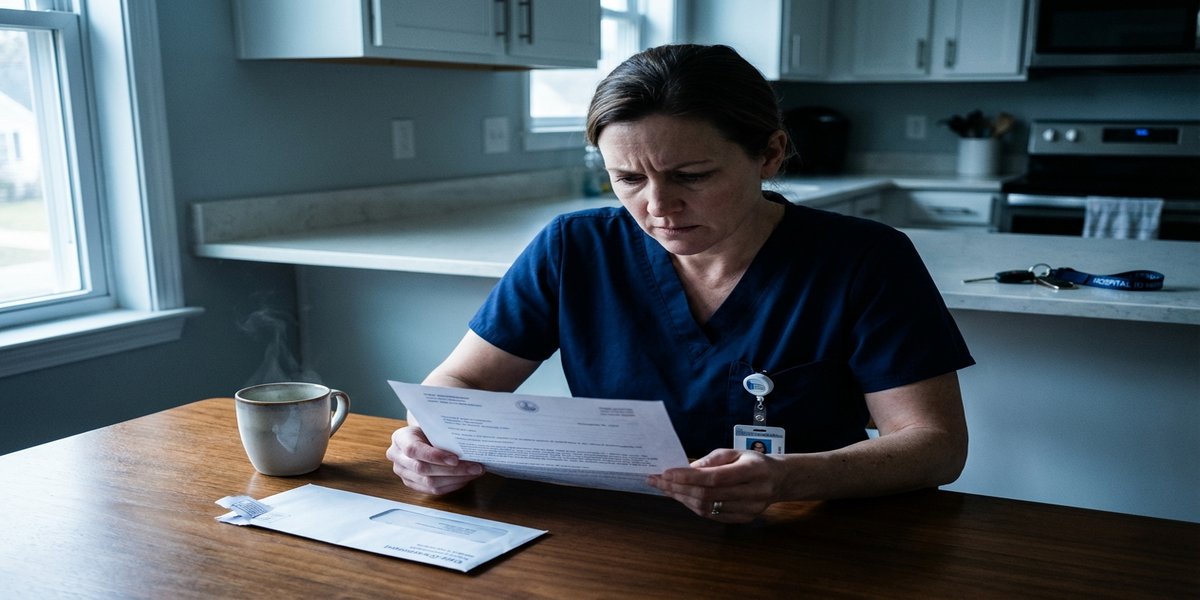
You spent years earning that license. The coursework, the clinical hours, the exams, the continuing education credits that stack up every renewal cycle. And now a letter from DCYF is sitting on your kitchen counter, and you’re wondering whether any of it matters anymore.
I’ve sat across the table from teachers, nurses, social workers, and CNAs across Pierce County who all had the same question: can a CPS founded finding end my career? The honest answer is that it can, but in most cases only if you let the clock run out without fighting back. The professionals who lose their licenses almost always share one thing in common: they waited too long to respond.
What a CPS Founded Finding Means (And What It Doesn’t)
DCYF investigates reports of child abuse or neglect and closes each case with one of two determinations, founded or unfounded. A third category, inconclusive, was retired on October 1, 2008. A founded finding means the investigator concluded, based on a preponderance of the evidence under RCW 26.44.020, that abuse or neglect more likely than not occurred.
That “more likely than not” standard is far lower than what a criminal court requires. You can have no arrest, no charges, no conviction, and still carry a founded finding in the DCYF system. According to DCYF’s notification guidance, a founded finding stays on your record even if the case is closed, even if you were never criminally charged, even if your children remained in your home the entire time.
Under WAC 110-30-0210, DCYF retains founded findings according to agency retention policies. Unfounded reports are destroyed after six years. Screened-out reports are destroyed after three. Founded findings persist indefinitely unless overturned on appeal.
A founded finding is not a criminal conviction. But that distinction offers far less protection than most professionals expect when it comes to their professional license, CPS background checks, and Washington state employment eligibility.
Your Criminal Record Is Clean. Your CAN Record Isn’t.
Washington runs two separate background check systems, and most professionals only know about one of them.
WATCH (Washington Access to Criminal History), operated through the Washington State Patrol, searches criminal history databases. Felonies, misdemeanors, arrests, sex offender registry entries. If you have no criminal record, WATCH comes back clean.
CAN History Checks (Child Abuse and Neglect), run through DCYF, search an entirely separate registry. Only founded findings appear. Each check costs $20 and runs through DCYF’s online portal, independent of the State Patrol system.
Employers and licensing boards can run both checks. A clean WATCH result means nothing when a founded finding is sitting in the CAN registry waiting to surface.
Consider a school counselor who receives a founded finding stemming from allegations made during a custody dispute. Even with no criminal record and a spotless WATCH check, OSPI can receive the founded finding through DCYF’s reporting pipeline and open a review of the teaching certificate before the professional has even decided what to do. The two systems operate on parallel tracks, and the CAN system often moves faster than professionals expect.
Which Licenses and Credentials Are at Risk
The reach of a CPS founded finding on a professional license in Washington extends well beyond teaching and nursing. Here is what is at stake across regulated professions.
Teaching certificates. Under RCW 28A.410.090, OSPI can consider founded reports of child abuse or neglect when evaluating an educator’s “good moral character or personal fitness.” DCYF is required to furnish founded findings directly to OSPI. Findings involving sexual abuse trigger mandatory permanent revocation. Physical abuse and negligent treatment findings go through a discretionary review where OSPI considers the full context before acting.
Nursing licenses and DOH-regulated healthcare credentials. The Uniform Disciplinary Act governs discipline for every health profession the Washington Department of Health licenses. Under RCW 18.130.180, unprofessional conduct includes acts involving moral turpitude “whether the act constitutes a crime or not.” That last clause catches healthcare professionals off guard. No conviction required.
This applies to:
- Registered nurses and licensed practical nurses
- Licensed clinical social workers
- Mental health counselors and marriage and family therapists
- Certified nursing assistants
- Medical assistants
- Substance use disorder professionals
- Home care aides regulated through DSHS
- Childcare providers licensed through DCYF
School district employees beyond teachers. Under RCW 28A.400.303, school employees with unsupervised access to children face mandatory CAN history checks. Paraeducators, counselors, coaches, and administrative staff are all included.
Foster and adoptive parents. A founded finding can halt or reverse your DCYF licensing at any stage of the approval or renewal process.
| Credential | Governing Body | CAN Check Required | Auto-Disqualification | Discretionary Review |
|---|---|---|---|---|
| Teaching Certificate | OSPI | Yes (RCW 28A.410.010) | Yes (sexual abuse findings) | Yes (physical abuse, negligent treatment) |
| Registered Nurse / LPN | DOH Nursing Commission | Yes | Yes (severe findings) | Yes (most findings) |
| Licensed Clinical Social Worker | DOH | Yes | Yes (sexual abuse findings) | Yes |
| Mental Health Counselor | DOH | Yes | Yes (severe findings) | Yes |
| Certified Nursing Assistant | DOH / DSHS | Yes (RCW 74.39A.056) | Yes | Yes (with CPI) |
| Home Care Aide | DSHS | Yes (RCW 74.39A.056) | Yes | Yes (with CPI) |
| Substance Use Disorder Professional | DOH | Yes | Yes (severe findings) | Yes |
| Medical Assistant | DOH | Yes | Yes (severe findings) | Yes |
| Childcare Provider | DCYF | Yes (RCW 43.216.270) | Yes | Yes (with CPI) |
| Foster / Adoptive Parent | DCYF | Yes | Yes (severe findings) | Yes (with CPI) |
| School District Employee | OSPI / District | Yes (RCW 28A.400.303) | Varies by role | Yes |
The Timeline That Works Against You
The clock starts running the moment DCYF enters the founded finding into the system. It runs faster than most professionals expect.
Under RCW 18.130.080, employers of health care providers must report terminations or license restrictions tied to unprofessional conduct to the Department of Health within 20 days. That’s a statutory obligation. Your employer faces their own liability for missing that deadline.
DCYF sends the founded finding letter by certified mail. But the finding is already in the CAN system and accessible to authorized parties. OSPI cross-references educator certification records against DCYF founded findings through automated reporting. From founded finding to active licensing board investigation, the gap is measured in weeks.
Consider a CNA who has worked in a long-term care facility for over a decade. If that professional receives a founded finding letter and plans to deal with it the following week, the employer may already have received notification through the DSHS reporting system and placed the professional on administrative leave within days, before an attorney is even contacted. The appeal window can still be open while the employment situation has already changed.
The 30-Day Appeal Window
You have exactly 30 days from receipt of the founded finding letter to file a formal appeal with the Office of Administrative Hearings. That window does not extend for weekends, holidays, or the time it takes to process what just happened.
The appeal goes to the Office of Administrative Hearings (OAH), where an administrative law judge hears the case. At the hearing, DCYF bears the burden of proving the finding by a preponderance of the evidence. You have the right to present your own evidence, call witnesses, cross-examine DCYF’s witnesses, and challenge the investigator’s conclusions.
Evidence that carries weight at OAH hearings:
- Witness testimony contradicting the investigator’s findings
- Documentation the investigator never reviewed or considered
- Records of completed parenting education, counseling, or treatment
- Character testimony from employers, supervisors, or colleagues
- Expert opinions challenging the methodology behind the finding
If the ALJ upholds the finding, you can request review by the DCYF Secretary. If that fails, judicial review in Superior Court is available under RCW 34.05.510 within 30 days of the final order.
Miss the initial 30-day window and the finding becomes permanent, locked into the system with no administrative path to challenge it. Licensing boards reviewing your credentials will see a finding you never contested.
I should be straightforward about success rates: not every appeal results in the finding being overturned. The strength of your case depends entirely on the underlying facts, the quality of the evidence you present, and how well the investigator documented their conclusions. What I can say is that the professionals who file timely appeals with strong evidence give themselves options that disappear entirely once that 30-day window closes.
The Certificate of Parental Improvement: A Longer Path Back
If the appeal window has passed or the finding is upheld, the Certificate of Parental Improvement (CPI) offers a second route, but only for certain professionals. Established under RCW 74.13.720, the CPI can remove the employment barrier a founded finding creates, specifically for positions in assisted living facilities, nursing homes, long-term care, and DCYF programs.
The CPI does not erase the finding. It stays on your record and will still appear on CAN background checks. What it does is prevent employers and agencies from automatically disqualifying you based solely on that finding. For healthcare workers and childcare professionals, this distinction can mean the difference between returning to your field and being permanently locked out of it.
Eligibility requirements under RCW 74.13.720(4) are strict:
- At least five years since the last founded finding
- No CPI denial in the past two years
- The finding cannot involve sexual abuse, sexual exploitation, or severe physical abuse (cutting, burning, interfering with breathing, shaking a child under three, threatening with a deadly weapon)
- No felony convictions for child neglect, child injury/death, domestic violence, or offenses against children
DCYF must respond to a CPI application within 60 days. They assess current character, suitability, and competence based on 12 specific factors including rehabilitation documentation, references, education, and employment history.
Consider a substance use disorder counselor whose founded finding ended their work with at-risk youth. Years later, having completed every program DCYF recommended, maintained a clean record, and gathered strong professional references, that counselor can apply for a CPI with documentation of rehabilitation. When DCYF approves it within the 60-day window, a return to clinical work can follow within a couple of months. The path back exists, but typically only because the right groundwork was laid years earlier.
What to Do in the First 48 Hours
If that certified letter just arrived, here’s what the next two days should look like:
-
Record the exact date you received the letter. Your 30-day appeal clock starts from receipt, not the date printed on the letter.
-
Do not call DCYF to discuss the finding without legal counsel. Anything you say can appear in subsequent proceedings.
-
Pull together your professional license information. License numbers, renewal dates, any recent correspondence from your licensing board.
-
Document your employment situation. Has your employer been notified? Have you been placed on leave? Save every communication.
-
Contact an attorney who handles CPS administrative hearings. Not next week.
The professionals who keep their licenses treat those first 48 hours as the emergency they are. Every day that passes without action is a day closer to the 30-day deadline, and a day your licensing board may already be reviewing the finding without your response on file.
Frequently Asked Questions
Can a CPS finding affect my nursing license even without criminal charges?
Yes. The Washington Department of Health can open a disciplinary case against any DOH-licensed professional based on a founded CPS finding alone. Under RCW 18.130.180, unprofessional conduct includes acts involving moral turpitude “whether the act constitutes a crime or not.” The Nursing Commission reviews founded findings independently of the criminal justice system.
How long does a CPS founded finding stay on your record in Washington?
Founded findings are retained indefinitely under WAC 110-30-0210 and DCYF records retention policies. Unfounded reports are destroyed after six years. Screened-out reports are destroyed after three years. Founded findings remain in the CAN registry unless overturned through a successful appeal at the Office of Administrative Hearings.
Does an unfounded CPS report show up on a background check?
No. DCYF’s CAN history check system only returns founded findings. Unfounded findings are excluded from CAN history checks under WAC 110-30-0210(2); any other disclosure depends on specific statutory authorization.
What is the difference between a WATCH check and a CAN history check?
WATCH, operated by the Washington State Patrol, searches criminal history databases including convictions, arrests, and sex offender registry entries. A CAN history check, operated by DCYF, searches a separate registry of founded child abuse and neglect findings. An employer or licensing board can run both checks independently, and a clean result on one does not affect the other.
Can I still work in childcare with a CPS founded finding?
It depends on the finding type and how much time has passed. A Certificate of Parental Improvement under RCW 74.13.720 can remove the automatic disqualification for childcare positions, but only if at least five years have passed and the finding does not involve sexual abuse, sexual exploitation, or certain forms of severe physical abuse.
Can OSPI revoke my teaching certificate based on a CPS finding alone?
OSPI can consider founded CPS reports when evaluating an educator’s fitness for certification under RCW 28A.410.090. Findings involving sexual abuse trigger mandatory permanent revocation. Other finding types, including physical abuse and negligent treatment, go through a discretionary review where OSPI weighs the circumstances before making a determination. A timely appeal of the underlying finding can change how OSPI approaches its review.
What happens if I miss the 30-day appeal deadline for a CPS founded finding?
The finding becomes permanent in the DCYF system with no administrative remedy available. Your only remaining option is judicial review in Superior Court under RCW 34.05.510, which has a higher procedural bar and more limited scope of review. After five years, you may be eligible for a Certificate of Parental Improvement if the finding type qualifies, but the CPI does not remove the finding from your record.
Does a CPS founded finding affect professional licenses in other states?
Potentially. Many states conduct interstate background checks for licensed professionals, particularly in healthcare and education. Washington’s CAN registry is accessible through interstate data-sharing agreements for child welfare purposes. If you hold or plan to seek licensure in another state, a Washington founded finding may surface during that state’s background check process.
This article is for informational purposes only and does not constitute legal advice. No attorney-client relationship is formed by reading this content. Each case is unique; past results do not guarantee future outcomes. If you’re facing a CPS founded finding that threatens your professional license, contact Melvin & Torrone for a consultation.

Chris Torrone
Founding Partner, Melvin & Torrone PLLP
Chris Torrone is a dedicated advocate for clients facing family crises and criminal charges. With 20 years of experience practicing in Pierce County courts, Chris has built a reputation for meticulous case preparation and creative problem-solving in high-stakes litigation.