
Divorce and Social Development: How Does Parental Divorce Influence a Child?

By Chris Torrone, Founding Attorney, Melvin & Torrone, PLLP
Parental divorce affects a child’s social development and behavior in a few measurable ways: withdrawing from friendships, struggling to trust others, experiencing behavioral problems, declining academically, developing mental health issues, and facing long-term relationship difficulties.
I’ve represented over 1,345 families through custody cases in Pierce County, and the children who adjust best have parents who understand what’s coming and act fast to provide stability. The good news? Most kids bounce back within two to three years when their family structure includes cooperative co-parenting and emotional security.
Let me explain the connection between parental divorce and social development of a child as well as the strategies to protect your child’s future.
Torrone’s Takeaways
-
Most kids bounce back within two to three years when parents cooperate and prioritize their emotional well-being over personal conflicts.
-
Age at divorce matters significantly - children under 5 face the largest long-term impacts on income, education, and relationships.
-
High-conflict marriages hurt children more than cooperative divorces. Sometimes splitting up is the healthier choice for your family.
-
Never bad-mouth your ex where kids can hear. I’ve seen this single mistake destroy custody cases and damage children permanently.
-
Watch for red flags like prolonged depression, self-harm, or substance abuse. Don’t wait to get professional help when behavioral problems escalate.
-
Your custody arrangement and parenting plan directly affect your child’s long-term success. Courts want to see child-focused solutions, not parent convenience.
-
The decisions you make today about co-parenting, stability, and family dynamics will echo into your child’s adulthood and their own relationships.
Table of Contents
- Divorce Reshapes How Children Connect With Others
- What Children Experience at Different Ages When Parents Split
- Social Development and Behavioral Changes Parents Notice Most Often
- Short-Term Pain vs. Long-Term Consequences You Need to Know
- When Divorce Actually Helps Children Instead of Hurting Them
- Strategies That Preserve Children’s Social Development and Behavior
- Extended Family and Modern Challenges Divorce Creates
- Research, Resources, and Expert Insights You Can Trust
- How Melvin & Torrone Protects Children During Custody Cases in Tacoma
- Frequently Asked Questions
- Conclusion
Divorce Reshapes How Children Connect With Others
Withdrawing From Friends and Feeling Different From Peers
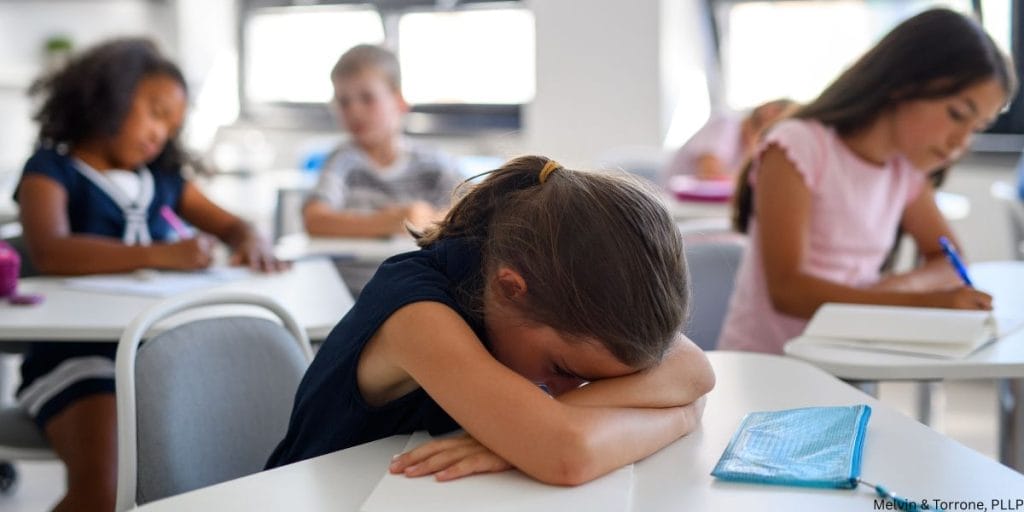
When a child’s family structure changes, they often pull back from friendships. I’ve watched elementary students stop attending birthday parties or quit soccer teams after parental divorce. They feel different, like their family situation makes them an outsider. Research shows children from divorced families maintain 30% fewer close peer relationships than kids from intact families. This social isolation compounds their emotional struggles during an already difficult time.
Struggling to Trust People After Family Bonds Break
A 10-year-old girl from Lakewood once told me her parents promised they’d always be together, then suddenly weren’t. That broken promise shattered more than her family dynamics. It taught her that people leave. Children who witness parental divorce show measurably disrupted attachment patterns, making future relationships harder. They question whether anyone will stay. In custody cases, I see this trust erosion manifest as kids who refuse to believe either parent’s reassurances about stability or emotional security.
Lower Self-Esteem That Shows Up in Social Settings
Parental divorce often triggers guilt and shame that children carry into every social interaction. They struggle to advocate for themselves with peers and teachers. Research confirms children of divorce score significantly lower on self-concept measures. These behavioral problems show up in classrooms where kids once thrived. When your child’s emotional well-being suffers, their confidence in social settings crumbles. Mental health issues stemming from family breakdown affect how they see themselves and navigate friendships.
What Children Experience at Different Ages When Parents Split
Toddlers and Preschoolers Face Confusion and Regression
Your three-year-old can’t understand why Daddy doesn’t live here anymore. Children ages 2-5 lack the cognitive ability to process family breakdown, so they show it through behavioral regressions like bedwetting or thumb-sucking. Separation anxiety spikes because their limited language skills prevent them from expressing fear. These attachment disruptions during critical child development years affect how they form relationships later. I explain to parents that toddlers often blame themselves, thinking their “bad behavior” caused the split.
Elementary Students Carry Guilt and Academic Struggles
Kids ages 6-12 ask themselves “Did I cause this?” constantly. Academic performance declines measurably during this period, with divorce associated with an 8% lower probability of completing high school and 11% lower college completion rates. These children face loyalty conflicts between biological parents that tear them apart emotionally. Behavioral issues at school multiply as they struggle with peer relationships and family conflict at home. This age group is particularly vulnerable because they understand enough to feel responsible but lack the maturity to process their emotional well-being properly.
Teenagers Express Pain Through Rebellion and Risk-Taking
A 16-year-old from Puyallup started sneating out, experimenting with alcohol, and her grades collapsed after her parents’ custody arrangement fell apart in 2023. Teenagers ages 13-18 often express their pain through rebellion rather than conversation. Research shows father absence increases early sexual activity risks significantly.
Identity formation becomes complicated when family dynamics shift during these critical years. Watch for these red flags in your teen - sudden grade drops, new friend groups, withdrawal from family events, or risky behaviors that signal deeper mental health issues requiring professional intervention.
Table: Age-Specific Warning Signs That Require Professional Intervention
| Age Group | Physical Warning Signs | Behavioral Warning Signs | Emotional Warning Signs |
|---|---|---|---|
| Toddlers (2-5) | Frequent illness, appetite changes, chronic stomach aches | Extreme tantrums, hitting parents, complete regression in skills | Constant crying, severe separation anxiety, inability to be comforted |
| Elementary (6-12) | Headaches, bedwetting returns, sleep problems | Stealing, lying, fighting at school, destroying property | Self-blame statements, excessive worry, extreme people-pleasing |
| Teenagers (13-18) | Substance experimentation, reckless driving, self-harm marks | Running away, failing classes, criminal behavior | Suicidal thoughts, expressions of worthlessness, emotional numbness |
Social Development and Behavioral Changes Parents Notice Most Often
Anger That Explodes at Random Times and People
Your child’s sudden rage isn’t personal, even when it feels that way. Anger from parental divorce typically peaks within the first year, then gradually dissipates over two to three years for most children. Boys often externalize anger through physical aggression toward peers or siblings, destroying property or lashing out violently. Girls tend to direct anger inward or express it through verbal confrontations. This anger gets aimed at everyone - parents, teachers, friends, even the family dog. When anger persists beyond three years, it signals deeper behavioral problems requiring intervention.
Depression and Anxiety That Lingers Beyond the First Year
Children with divorced parents experience depression at 1.29 times higher rates and anxiety at 1.12 times higher rates than kids from intact families. A mother in Gig Harbor called me in 2024 worried about her 9-year-old son who’d developed chronic stomach aches and couldn’t sleep through the night six months after the divorce transition. These physical manifestations often mask deeper mental health issues. When you notice these warning signs, contact a mental health professional immediately:
-
Persistent sadness lasting more than two weeks
-
Loss of interest in activities they once loved
-
Significant changes in appetite or sleep patterns
-
Talk of self-harm or suicidal thoughts
-
Withdrawal from family events and friends
Acting Out or Shutting Down as Coping Mechanisms
Some kids throw tantrums and break things. Others disappear into their rooms and stop talking entirely. These externalizing and internalizing behaviors represent opposite responses to the same family instability and emotional pain. Impulsivity increases, aggression toward peers escalates, or complete withdrawal and isolation takes over.
Your child’s temperament determines their coping style. Conduct disorders and destructive behavior patterns signal that family counseling or individual therapy isn’t optional anymore. We see both response types in custody cases, and both need professional support to protect long-term emotional well-being.
Table: Normal Adjustment vs. Concerning Behaviors After Divorce
| Normal Adjustment (Monitor) | Concerning Behaviors (Seek Help Now) |
|---|---|
| Sadness or crying that lessens over weeks | Depression lasting more than 2 weeks |
| Occasional anger outbursts in first 6 months | Violent behavior toward people or animals |
| Temporary drop in grades (1-2 letter grades) | Complete academic failure or refusal to attend school |
| Some withdrawal from activities | Total isolation from all friends and family events |
| Questions about the divorce and living arrangements | Repeated questions about self-blame or causing divorce |
| Sleep disruptions for first few months | Chronic insomnia or nightmares beyond 3 months |
| Mild regression (thumb-sucking, clinginess) | Severe regression (loss of toilet training, non-verbal) |
| Missing the other parent | Refusing all contact with one parent without valid reason |
Short-Term Pain vs. Long-Term Consequences You Need to Know
Most Children Adjust Within Two to Three Years With Support
Research shows most kids bounce back within two to three years when they have proper support systems. The secret ingredient is parental cooperation and structured environments across both households. Children thrive when custodial parents maintain consistent routines, rules stay similar between homes, and both biological parents avoid speaking negatively about each other. Family counseling accelerates healing significantly. I’ve seen countless children emerge stronger and more resilient when parents prioritize their emotional well-being over personal conflicts.
Adult Relationship Patterns Often Echo Childhood Divorce
Your 8-year-old’s experience today shapes their romantic relationships 20 years from now. A woman in her thirties recently shared with me how her parents’ hostile separation and divorce in the late 1990s left her terrified of commitment in every relationship. Wallerstein’s long-term research confirms this pattern. Adult children of divorce struggle with trust in romantic partnerships, often cycling between fear of abandonment and fear of intimacy. They divorce at higher rates than those from intact families. These dating behavior patterns stem directly from witnessing family breakdown during critical developmental years.
Career and Financial Outcomes Decades Later
Recent 2025 research from the U.S. Census Bureau reveals striking economic consequences. Divorce during early childhood reduces adult income by 2.4 to 3.9 percentile points by ages 25-27. College completion probability drops 11 percent. These career trajectory impacts compound over decades, affecting lifetime earnings substantially. Children who experience parental divorce between ages 0-5 face the largest long-term economic effects. The divorce transition doesn’t just disrupt childhood, it reshapes financial futures into adulthood.
Table: Short-Term vs. Long-Term Effects of Parental Divorce on Children
| Impact Area | Short-Term Effects (0-3 Years) | Long-Term Effects (Into Adulthood) |
|---|---|---|
| Academic Performance | Grades drop 1-2 letters, difficulty concentrating | 8% lower high school completion, 11% lower college completion |
| Mental Health | Anxiety, sadness, anger, confusion | Depression rates 1.29x higher, anxiety 1.12x higher |
| Social Relationships | Withdrawal from friends, 30% fewer peer contacts | Trust issues in romantic relationships, higher divorce rates |
| Economic Outcomes | Reduced extracurriculars, changed neighborhood quality | Income 2.4-3.9 percentile points lower at ages 25-27 |
| Behavioral Issues | Acting out, regression, sleep problems | Incarceration rates 35-60% higher, teen pregnancy 73% higher |
| Family Dynamics | Loyalty conflicts, confusion about living arrangements | Difficulty forming committed relationships, fear of abandonment |
When Divorce Actually Helps Children Instead of Hurting Them
Escaping High-Conflict Homes Where Fighting Never Stops
Sometimes staying together hurts children more than separation and divorce. Research proves children living in high-conflict intact families suffer worse outcomes than kids whose cooperative parents divorced. Constant screaming, thrown objects, and hostile family conflict damage child development more severely than two peaceful households.
When domestic violence or emotional abuse exists, divorce protects your children’s physical health and mental health. I tell parents honestly that divorce becomes the healthier choice when family dynamics involve persistent hostility that threatens emotional security.
Gaining Two Peaceful Homes Instead of One War Zone
Some children actually breathe easier after their parents split. The constant tension disappears, replaced by calm in both households. Studies show reduced stress when parents live apart and stop fighting daily. Kids report relief when family events no longer end in shouting matches. This separation can accelerate maturity and foster healthy independence. Your child might flourish with two stable environments rather than one chaotic family system where behavioral issues multiplied under constant conflict.
Learning Resilience and Developing Stronger Empathy
A teenage boy from University Place told me in 2022 that watching his parents handle their collaborative divorce with respect taught him more about healthy relationships than their marriage ever did. Some children emerge from divorce with remarkable emotional intelligence and advanced conflict resolution skills.
They develop deeper compassion for others facing hardship. Wallerstein’s research found these kids often place exceptionally high value on sustaining relationships and working through difficulties. Family counseling during the divorce transition helps children build these positive character traits rather than just surviving the family breakdown.
Table: High-Conflict Marriage vs. Low-Conflict Divorce Outcomes for Children
| Outcome Measure | Children in High-Conflict Intact Families | Children of Low-Conflict Cooperative Divorced Parents |
|---|---|---|
| Mental Health Issues | Significantly elevated depression and anxiety | Normal to slightly elevated rates |
| Behavioral Problems | Frequent aggression, conduct disorders | Minimal behavioral issues after adjustment period |
| Academic Performance | Poor grades, difficulty concentrating in war zone | Stable performance with two calm households |
| Self-Esteem | Very low, feeling responsible for family tension | Moderate to healthy self-concept |
| Physical Health | Stress-related illness, sleep disorders | Improved health after conflict reduction |
| Adult Relationships | Difficulty with conflict resolution, poor relationship models | Better conflict skills when parents model cooperation |
| Overall Adjustment | Worst outcomes of all family structures | Better than high-conflict intact families |
| Resilience Development | Chronic stress prevents healthy coping | Can develop strong resilience with proper support |

Strategies That Preserve Children’s Social Development and Behavior
Age-Appropriate Conversations That Build Understanding Not Fear
A single mom from Tacoma asked me in 2023 what to tell her 5-year-old about why Daddy moved out, and I gave her simple language that worked beautifully. For toddlers, say “Mommy and Daddy will live in different houses, but we both love you.” Elementary kids need more honesty without adult details like “We’re not happy together anymore, but this isn’t your fault.”
Teenagers can handle “We’ve grown apart and staying together isn’t healthy.” Answer their questions truthfully but don’t share financial fights, infidelity details, or court battles. Children need reassurance about their emotional security, not reasons to pick sides in family conflict.
Co-Parenting Without Conflict Protects Mental Health
Use communication apps like OurFamilyWizard or Talking Parents to keep discussions documented and civil. Maintain consistent bedtimes, rules, and expectations across both households so your child isn’t constantly adjusting to different family dynamics. Never speak badly about the other custodial parent where children can hear, even when you’re furious. Successful co-parenting means treating your ex like a business partner in raising your kids. When cooperation proves impossible, parallel parenting works better where you each parent independently without constant communication.
Recognizing Red Flags That Signal Professional Help Is Needed
Sometimes family counseling isn’t enough and your child needs a mental health professional immediately. Contact a therapist when you notice these warning signs:
-
Suicidal thoughts or self-harm behaviors
-
Substance abuse experimentation
-
Violent outbursts toward people or animals
-
Depression lasting more than two weeks
-
Complete withdrawal from family events
Pierce County offers school counseling services through Tacoma Public Schools. Mental health services covered by Apple Health include Consejo Counseling (bilingual Spanish services, 206-461-4880) and Friends of Youth (425-869-6490). NAMI Washington provides free support groups at 206-783-9264. Don’t wait until behavioral issues escalate into mental health disorders requiring emergency intervention.
Extended Family and Modern Challenges Divorce Creates
How Siblings, Grandparents, and Cousins Get Caught in the Crossfire
Brothers and sisters often become each other’s only constant during family breakdown. A grandmother in South Tacoma recently told me she hadn’t seen her grandchildren in eight months because her son’s ex-wife controlled all access after their 2024 custody arrangement finalized.
Extended families lose connections when one custodial parent restricts contact. Holiday gatherings become impossible to coordinate. Cousins drift apart. Family traditions like annual camping trips or Sunday dinners dissolve because nobody can agree on scheduling. Sibling relationships either strengthen under shared stress or fracture when kids take different parents’ sides in ongoing family conflict.
Financial Changes That Force School Moves and Lifestyle Adjustments
Research shows 35% of children change addresses within the year of divorce, and many switch schools multiple times. Your child loses their soccer team, piano lessons, and art classes because suddenly those expenses feel impossible. The family structure shift means reduced standard of living for everyone. Kids notice when they can’t afford the field trip their friends attend. Families relocate to neighborhoods with 16% lower quality on average, directly impacting long-term outcomes. These frequent moves disrupt peer relationships right when children need stability most.
Social Media and Virtual Parenting in the Modern Divorce Era
Kids see everything online now, including your angry Facebook posts about the divorce. I counsel parents constantly about oversharing on social media where children or their friends might read harmful details. Virtual visitation through Zoom or FaceTime has become standard for non-custodial parents living far away.
Blended families create complications when new partners and step-siblings appear in photos before kids are ready. The pandemic changed co-parenting dynamics permanently, with more parents accepting video calls as legitimate connection time and family meetings happening virtually across different households.

Research, Resources, and Expert Insights You Can Trust
Studies That Changed How We Understand Divorce Impact
-
The 2025 U.S. Census Bureau study by Johnston, Jones, and Pope represents the most comprehensive research on divorce effects, tracking over 5 million children into adulthood.
-
Amato and Keith’s meta-analyses from 1991 and 2001 established foundational understanding of child development impacts.
-
Hetherington’s long-term research revealed resilience patterns we still reference today.
-
The Journal of Marriage and Family published Strohschein’s mental health trajectories study showing depression symptoms often begin before parental divorce.
These studies collectively transformed how we approach custody and access proceedings and family systems interventions.
Washington State Support Programs and Local Help
Pierce County mandates the Impact on Children seminar for all custody cases, helping parents understand their children’s emotional well-being needs. A father completing his parenting plan in Federal Way during 2024 told me the seminar changed his entire approach to co-parenting communication. Washington offers robust support:
-
Tacoma Public Schools provide free school counseling services
-
Pierce County Family Court Services at 253-798-3627 for case coordination
-
NAMI Washington offers support groups at 206-783-9264
-
Friends of Youth serves kids needing mental health interventions at 425-869-6490
-
Consejo Counseling provides bilingual family counseling at 206-461-4880
Books, Activities, and Conversation Starters for Families
Age-appropriate books help children process feelings they can’t express. Try “Two Homes” for young kids or “The Divorce Helpbook for Teens” for older children. Maintain connection through special activities like weekly pizza nights or Saturday park visits that remain consistent regardless of which household they’re in.
Ask open-ended questions like “What’s been the hardest part this week?” or “What made you smile today?” Seasonal considerations matter too - plan holiday traditions, birthday celebrations, and back-to-school transitions cooperatively through family meetings to reduce stress on everyone.

How Melvin & Torrone Protects Children During Custody Cases in Tacoma
Creating Parenting Plans That Put Your Child’s Emotional Needs First
We build custody arrangements around your child’s developmental needs, not just what’s convenient. Courts want to see parents prioritizing their children’s emotional security and mental health. With a 96% success rate in CPS custody cases and 1,345 cases closed, we know what works in Pierce County courtrooms.
Guardian ad Litem and Custody Evaluations That Represent Your Child
Sometimes your child needs their own voice in court through a Guardian ad Litem. We explain when separate representation protects their interests during high-conflict custody and access proceedings. Psychologists assess behavioral problems, family dynamics, and emotional well-being during evaluations. We help you understand this process and prepare effectively.
Schedule Your Free Consultation to Discuss Child-Centered Solutions
Schedule online, call us at 253-327-1280 or visit our office at 950 Pacific Ave, Suite 720, Tacoma. During your 30-minute free consultation, we’ll discuss your custody arrangement concerns and explain how our 20+ years representing families helps minimize trauma to children. You’ll leave with clear next steps and peace of mind.
Frequently Asked Questions
1. How long until my child adjusts to the divorce?
Research shows most children adjust within two to three years when they have proper support and cooperative co-parenting. Your child’s age at the time of parental divorce affects this timeline significantly. Younger children often adapt faster with consistent routines, but everyone’s family dynamics differ.
2. Should I stay married for the kids even though we fight constantly?
No. Children in high-conflict intact families often suffer worse mental health issues than kids whose cooperative parents divorced. When family conflict involves screaming matches, domestic violence, or emotional abuse, separation and divorce actually protects your children’s emotional well-being and long-term development.
3. When should I get my child therapy after divorce?
Seek a mental health professional immediately if you notice suicidal thoughts, self-harm, substance abuse, violent behavior, or depression lasting beyond two weeks. Behavioral problems at school, complete withdrawal from friends, or dramatic personality changes also warrant professional intervention through family counseling or individual therapy.
4. How do I tell my child about the divorce without traumatizing them?
Use age-appropriate language that builds understanding without fear. Tell toddlers “Mommy and Daddy will live in different houses but both love you.” Elementary kids need “This isn’t your fault, we’re just not happy together.” Teenagers can handle more honesty about relationship difficulties without adult details.
5. My ex bad-mouths me to the kids, what can I do?
Document everything and contact a family counselor who specializes in parental alienation. Pierce County courts take this seriously during custody and access proceedings. Never retaliate by speaking badly about your ex. Focus on maintaining your child’s emotional security and consider requesting a Guardian ad Litem.
6. Will divorce affect my child’s grades and school performance?
Yes, academic performance typically declines temporarily during the divorce transition. Research shows divorce is associated with 8% lower high school completion and 11% lower college completion rates. Extra support from teachers, tutors, and maintaining consistent homework routines across both households helps minimize these impacts.
7. Can divorce make my child more aggressive or withdrawn?
Absolutely. Some children externalize pain through aggression and behavioral issues toward peers, siblings, or teachers. Others internalize feelings, becoming withdrawn and isolated. Your child’s temperament influences their response style. Both patterns require attention from parents and possibly a mental health professional.
8. How does divorce affect my child’s friendships and social life?
Children often withdraw from peer relationships after parental divorce, feeling different from friends with intact families. They maintain 30% fewer close friendships and may quit activities like sports or clubs. Encouraging continued participation in family events and social activities helps maintain these connections.
9. What support groups exist in Pierce County for kids of divorce?
NAMI Washington offers free support groups at 206-783-9264. Friends of Youth provides counseling at 425-869-6490. Tacoma Public Schools offer school counseling services. Consejo Counseling has bilingual family counseling at 206-461-4880. These resources help children process their emotions in safe environments.
10. Does my teenager’s rebellion mean the divorce damaged them permanently?
Not necessarily. Teenagers often express pain through rebellion, risk-taking, or experimentation rather than talking about feelings. Most adolescents work through this phase with proper support. However, watch for serious red flags like substance abuse, self-harm, or violent outbursts requiring immediate mental health interventions.
11. How can I minimize the long-term effects on my child’s future relationships?
Model healthy conflict resolution and cooperative co-parenting despite your differences with your ex. Maintain emotional security through consistent rules and routines. Never use children as messengers or force them to choose sides. Family counseling helps children process feelings and develop trust patterns.
12. Will moving to a different neighborhood after divorce hurt my child’s development?
Research shows families relocate to neighborhoods with 16% lower quality after divorce, affecting long-term outcomes. Frequent moves disrupt peer relationships and school performance. Try to minimize address changes during the first year. If moving is necessary, maintain connections to old friends and involve children in family meetings about transitions.
Conclusion
Parental divorce reshapes child development in measurable ways, but proper support changes everything. Your children’s emotional well-being depends on decisions you make today about custody arrangements, co-parenting communication, and creating stable family dynamics across two households.
I’ve represented over 1,345 families through this exact situation in Pierce County. We understand the weight you’re carrying and know how to protect your children’s mental health while securing fair custody terms. Your kids need advocates who prioritize their emotional security above everything else.
Schedule your free 30-minute consultation now. Let’s create a child-focused plan together.

Chris Torrone
Founding Partner, Melvin & Torrone PLLP
Chris Torrone is a dedicated advocate for clients facing family crises and criminal charges. With 20 years of experience practicing in Pierce County courts, Chris has built a reputation for meticulous case preparation and creative problem-solving in high-stakes litigation.
Need Legal Help?
Schedule Your Free Consultation
If you're facing a legal issue discussed in this article, our Tacoma attorneys are here to help.
Get Your Free Consultation